Does the CPU work without the motherboard?
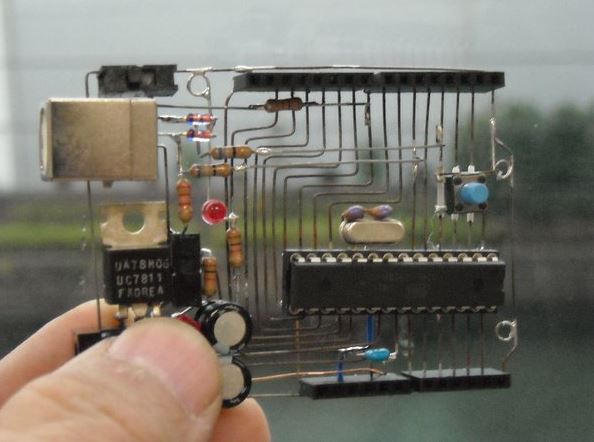
This is a great question. As for the circuit board, someone gave me a good answer, so I will answer for all the motherboards on the market.
Motherboards do more than just glue computer parts together. This includes electronic devices that do everything from powering to booting devices. To boot the latest CPU, you must first run a very specific set of events. Getting a CPU is not enough to get you started. This process is performed by a chip on the motherboard that reads instructions from EPROM (removable programmable read-only memory). The instructions stored in EPROM were formerly called BIOS (Basic Input / Output System). Modern motherboards do not have a BIOS and have been replaced by a more advanced UEFI (Unified Extensible Firmware Interface). These chips are called BIOS or UEFI chips, depending on the instructions they execute.
UEFI offers a lot more functionality, but the main purpose is the same: to boot the CPU.
You need a motherboard to boot your PC and make it work properly.
Go back to the question. Unless these boot steps are given to the CPU, you do not need a motherboard to use the CPU. In fact, most SoCs (systems on chips) have separate integrated chips to boot them, so the motherboard doesn't need to work.
Yes, it is technically possible to solder components directly without circuit boards. You do not want to use CPU without additional circuitry. The CPU does not have a direct connection to a convenient I / O, such as an Ethernet jack or HDMI.
Comments
Post a Comment